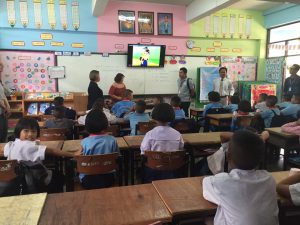
 Thailand, for me, has been an opportunity for observation and comparison. I would like to stress that I am not focusing on judgmental comparisons, but instead constructive analyses between two very different cultures, the Thai and the American, in order to benefit from one another. In particular, my observations have been geared towards the natural environment and how the human built environment in working with it as well as against it. Looking out the window is where I notice the most, but also walking by and being among it all. I remember Acharn Linda saying, when we were all sharing our first impressions, that the Thai intentionally or even unconsciously maintain these “green spaces” throughout their infrastructure and within their built environments. I took notice to this as well, and I continue to see it as we travel around this country.
They seem to incorporate natural features into their city planning. For instance, the sidewalks (or more-so roadside curbs) have trees in the midst or their concrete slabs. Instead of bringing down the tree, which commonly occurs in American construction, the Thai value its presence and work around it. This is a minor aspect that I believe would be beneficial in American society in order to better preserve our natural environment.
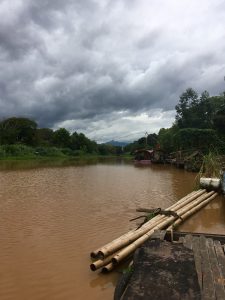
I have also taken great notice to the water. This, through my observations, is not as thoroughly protected in Thailand. In Bangkok, their streams are not at all in their natural form and are instead surrounded by concrete which molds their pathway. This is where the human built environment in Thailand has controlled the natural one and, in this case, has restricted biodiversity. The water is not able to interact with vegetation that aids so significantly in its quality, as well as for any aquatic species that may be lurking in these waterways. In the city of Chiang Mai, it is a bit different. Green spaces do exist along the waters edge, which I love to see, but this led me to observe other aspects of the Thai’s water. The most profound, the brown, murky appearance (which is not necessarily bad) as well as the abundant liter present in many areas. The brown color is due to the soil and sediments in the river, especially due to intense rainfalls that are so common in Thailand and can sweep away much of the landscape. This is not directly linked to its poor quality, but instead turns people away, especially in reference to the views of the American, from considering it to be potable. The final aspect I will conclude with is the sanitation of the river that has been negatively impacted by the human built environment as well as some social and cultural norms here in Thailand. This is where my interest lies, however I am not yet significantly knowledgeable on the topic, especially in Thailand, but I have been intensely observing and comparing. The trash and lack of sanitation is very prevalent, but I believe the Thai people are not to directly blame. As Acharn Cathy considered, it is quite possibly the infrastructure and/or economy that is preventing sanitation from being the people’s main priority. Globalization is forcing Thailand to accommodate more people, and, especially in the city, the garbage has no where else to go. I believe this is an area where Thailand and its natural environment could prosper from implementing some aspects of America’s intense sanitation procedures into their society.
Personally, I will continue to observe my surroundings and compare it to the one that is familiar to me in order to take back with me ideas and values that I can consider throughout my life and future work. The two cultures have the capability of growing from one another in many ways. We are able to gain an appreciation for the natural environment and our reliance on its provided resources, whether it be for oxygen, water, food production, or simply its beauty.

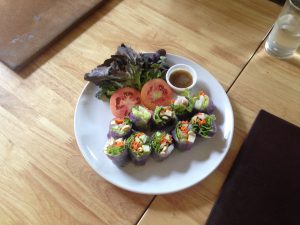 Meals are also crafted in a way that embodies balance and harmony in both their flavors and presentation. When we went to the Thai cooking school, the woman who was teaching us made sure to identify the flavors in each dish and how they interacted with each other, and the way she arranged her food on the plates was visually appealing. I’ve noticed similar food aesthetics in the other places we’ve eaten too, like the Garden Cafe.
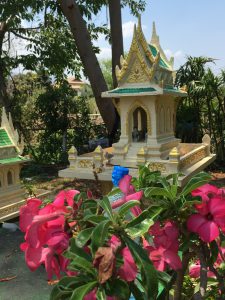
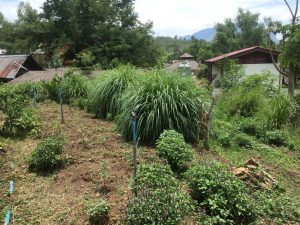
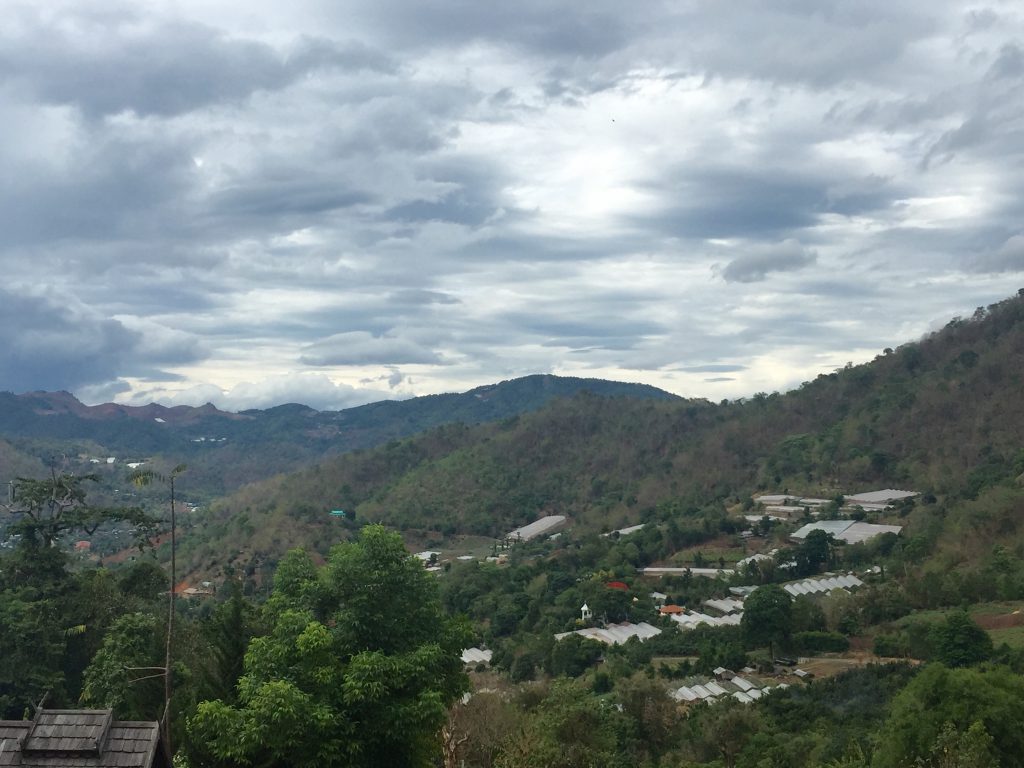
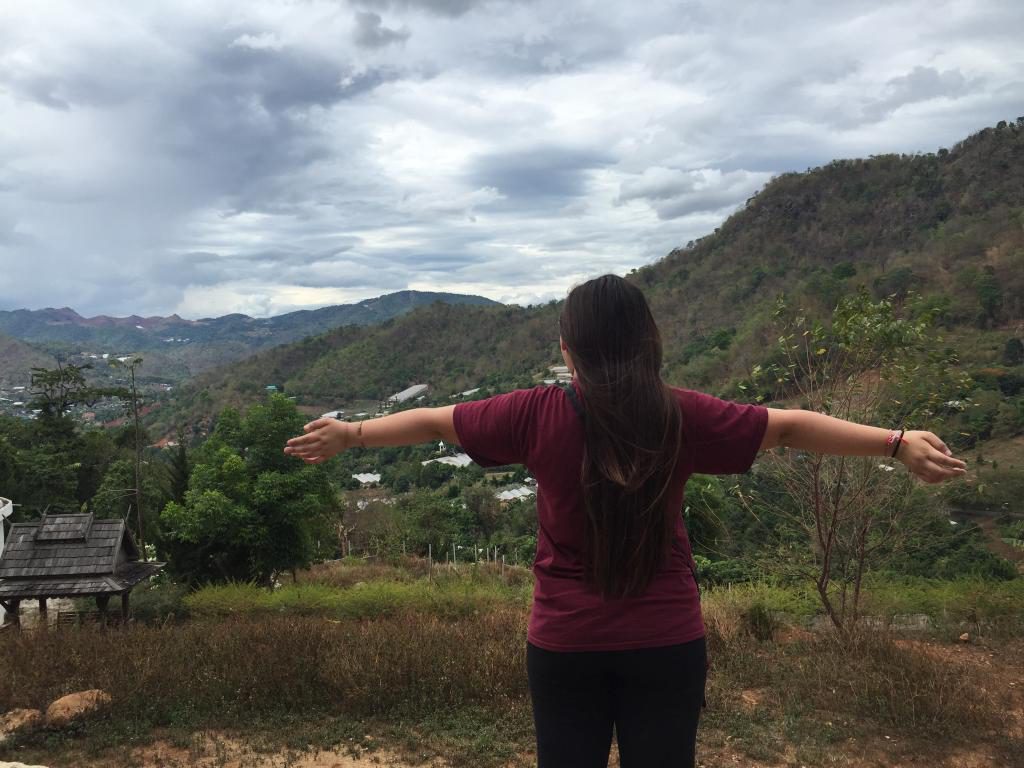
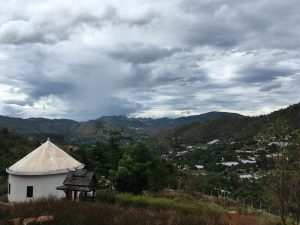
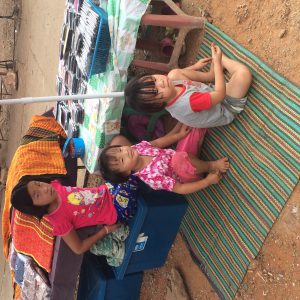 In just the past few days, I feel as though I have gained so much life experience and so much insight into the way in which others live and perceive the world. Through the monk chat to the Hmong village, we have already observed the lives of others immensely that we can apply to the Human Ecological Model. The Human Ecological Model consist of four lenses: the sociocultural, the family, the human built environment, and the natural built environment. The experience that I have chosen to apply to this model is the visit to the Hmong village. In the Hmong village it was facinating to observe how the homes were built into the mountains and structured around the natural enviorment and the way in which they adapted to the nature that surrounded them. The crop designs and green house were built around stairs that were structured specifically to avoid erosion. This displays the human built environment, how the people built their lives around the nature. It was such a profound experience to observe how the village acted as a collective family with smaller units within it. The village survived and thrived based on the connections they had with one another. Every individual portrayed strong family values, they took pride in their village and the simplicity it was made up of. I felt that when they spoke about their village and then way they live it was almost as if they were privileged to have this village, to have the opportunity to live simply, without materialism, without chaos. To have this extremely rare and unique opportunity all to themselves. There was an interdependence within the family, the sociocultural, and the human built environment lenses. How they only went to the city when they didn’t have a choice, for necessities such as education and essential economic resources. Even when the young adults went off to college, they were eager to return once they were finished their four years Eager to return to the solitude, the nature, and the simplicity and peace that they found only in their village.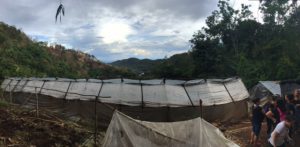
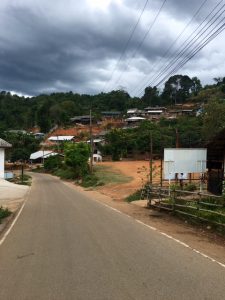 cultural practice informed by nature.